How to Read Your Inspection Report Without Panicking
How to Read Your Inspection Report Without Panicking
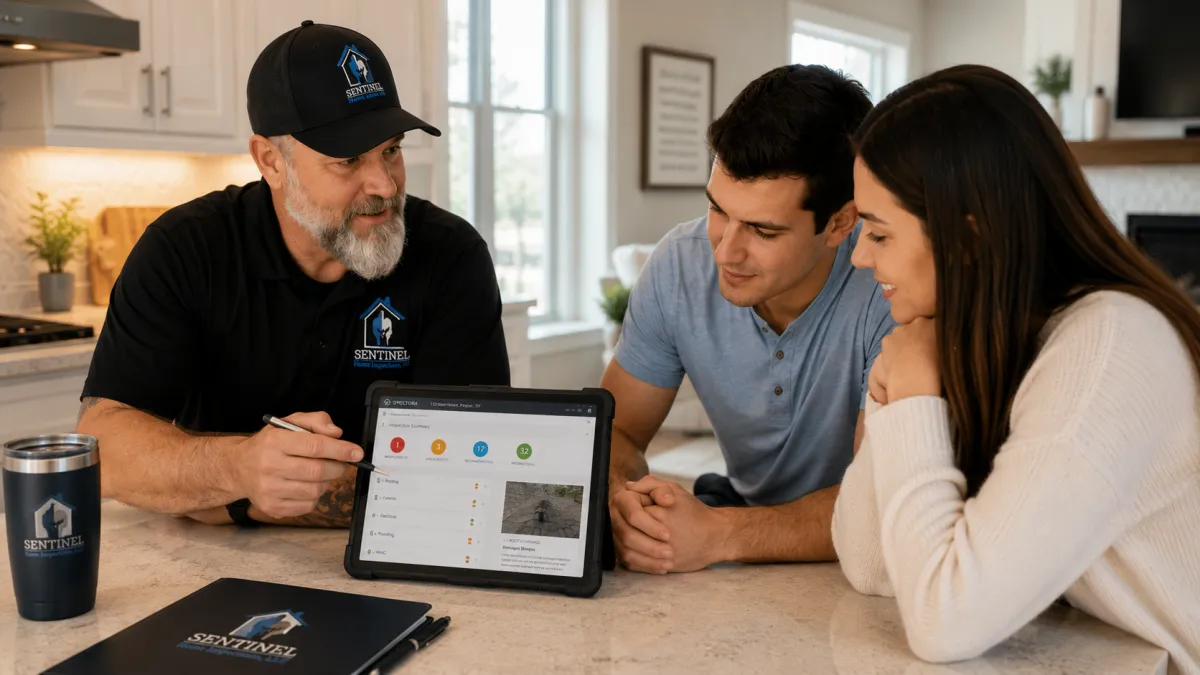
It happens at almost every inspection. We finish walking the property, we sit down with the buyers, and we hand them a 40-page document filled with photos, technical terms, and lists of defects. You can see the panic set in immediately.
For many buyers, especially first-time buyers, reading a home inspection report feels like reading a medical diagnosis. They see a long list of problems and instantly assume the house is a disaster.
It is never easy to tell someone that the home they have fallen in love with has a big-ticket item that needs repair, like a failing roof or a foundation issue. But my job is to give you the complete, unvarnished truth about the condition of the property. The good and the bad.
Here is how we help our clients put that 40-page report into perspective, and how you should read it when you get yours.
Context is Everything
When I have to highlight a major area of concern a foundation that has moved significantly, or an HVAC system that is failing I know that is a heavy piece of news.
What I do next is critical. I follow that bad news by highlighting the areas of the home that are in great condition. I might point out that the electrical panel is fully updated and safe, the plumbing is rock solid, and the roof has another fifteen years of life left.
The goal is to put the defect into perspective. A house is a complex system of thousands of components. Finding one major issue does not mean the entire house is falling apart. By looking at the home as a whole, we can usually show the buyer that, overall, the home is actually in good condition, it just needs one specific area addressed.
The Question I Never Answer
Sometimes, the house really is in rough shape. There are multiple major defects, and the repair costs are going to be substantial.
In those situations, buyers ask me the same question almost every time:"Would you buy this home?"
I never answer that question.
I do not answer it because everybody's situation is different. Every buyer is looking at the house through a different lens. For an investor, a house with a bad foundation and a leaking roof might be a great deal if the price is right. For a young couple stretching their budget just to make the down payment, a $10,000 HVAC replacement on day one might be a dealbreaker.
My obligation is to give you the facts. Your job is to decide if those facts fit your financial reality and your goals.
The Relationship Doesn't End at the Driveway
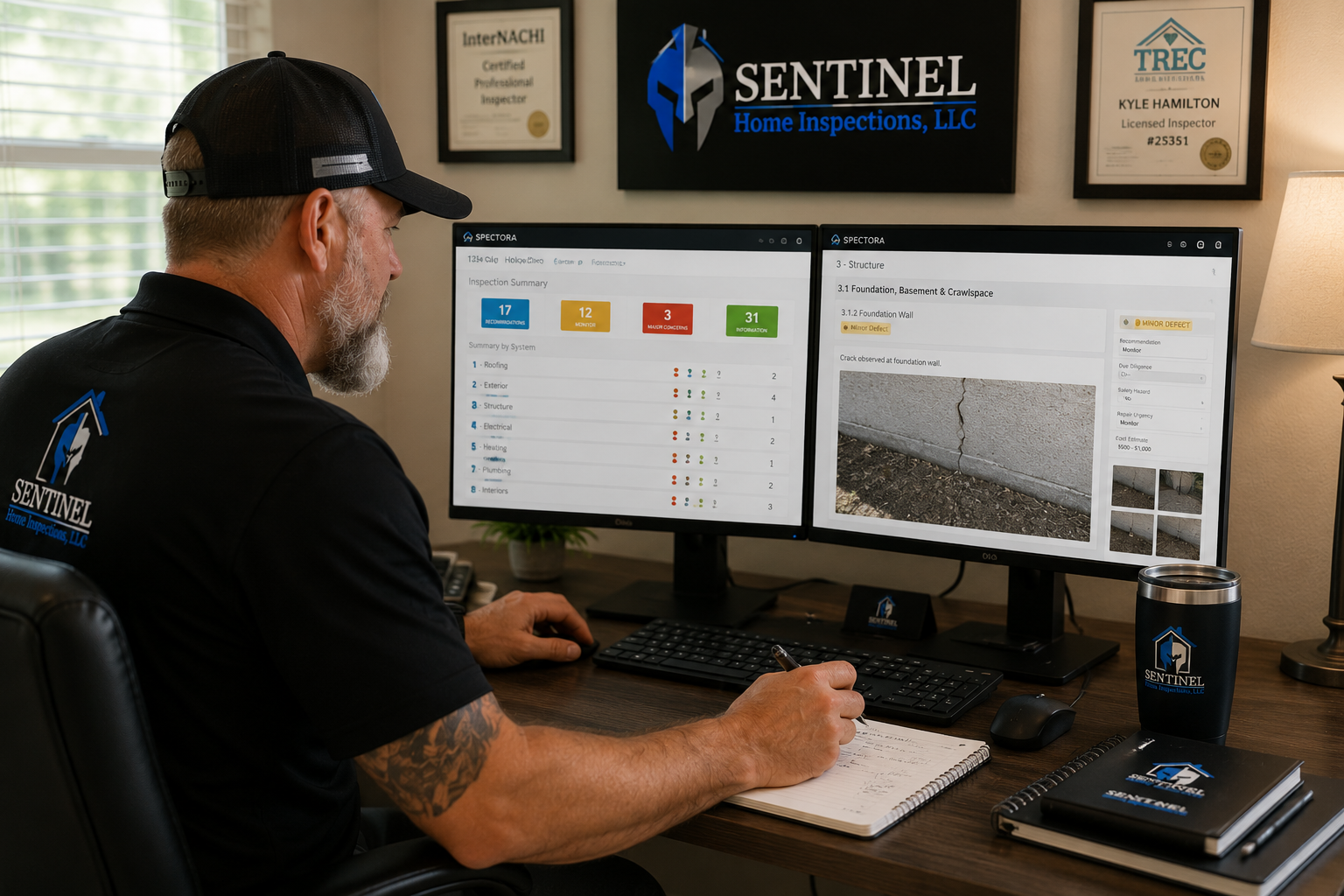
The most important thing I do when reviewing a report with a client is making sure they know they are not alone.
Telling someone about an issue is not just about handing them a piece of paper. It is about the tone of voice, the understanding, and putting them at ease with the situation. I provide my clients with a short, highly curated list of contractors that I personally trust and recommend, so they know exactly who to call to get the problem fixed.
More importantly, I make it clear that our relationship does not end when I drive away. I answer my own phone. I do not use an answering service. If a client calls me months down the road with a question about their report, I am available.
A home inspection report is a tool, not a warning label. If you are preparing to buy a home in DFW and want an inspector who will walk you through the facts with clarity and context, schedule your inspection with Sentinel Home Inspections.
Kyle Hamilton is a TREC Licensed Inspector and InterNACHI Certified Professional Inspector serving the Dallas-Fort Worth area. Sentinel Home Inspections LLC | License #25351.


